Flexible Industrial Automation with Modular Robot Workstations
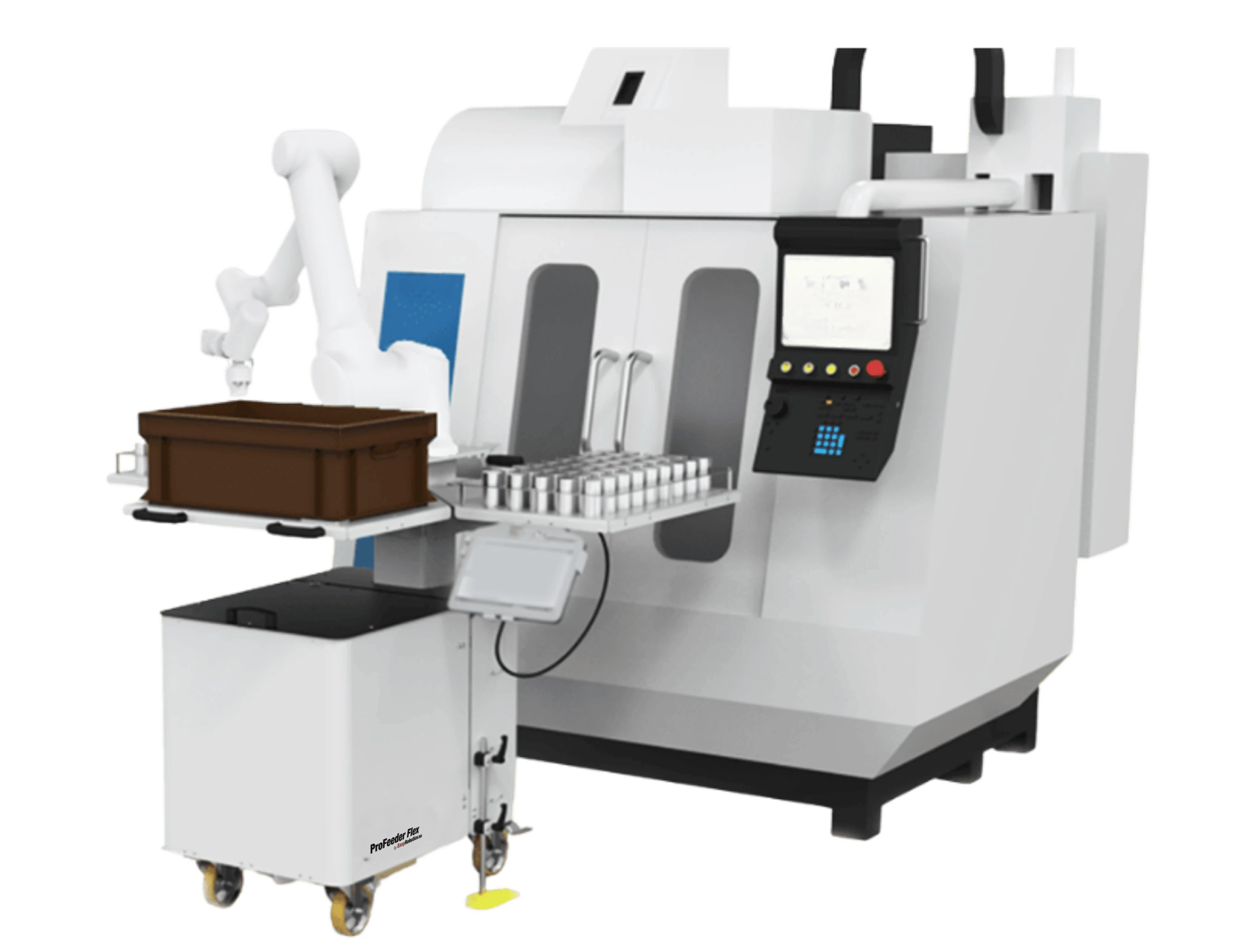
Modern manufacturing environments are increasingly dependent on automation systems that can adapt to shifting manufacturing demands without adding unnecessary complications. Modular Robotic Workstations provide a flexible base for manufacturers looking to automate repetitive processes such as loading machines, unloading finished parts, palletising products and supporting material handling operations. Instead of designing every robotic cell from the ground up, modular systems can combine structural elements, robot mounting systems, safety features and process equipment within a flexible workstation. Applications such as CNC machine tending and automated palletising can particularly benefit from this approach because manufacturers frequently require dependable automation systems while retaining the ability to adjust production layouts. From a small-footprint robot mounting pedestal to a complete robotic machine tending system, modular automation can enable manufacturers to develop scalable manufacturing environments appropriate for both present requirements and future expansion.
Why Modular Robot Workstations Are Growing in Manufacturing
Traditional automation projects can involve extensive engineering, custom fabrication and lengthy installation periods. Modular Robot Workstations provide an alternative by using configurable components that can be arranged around a defined production operation. Manufacturers can choose suitable structures, robot mounting positions, robotic tooling and associated equipment according to the dimensions and requirements of their operation.
This level of adaptability can be particularly useful for businesses with changing production volumes or several product types. A workstation originally configured for one task may be easier to adapt when machinery, tooling or operational requirements change.
Standardised structural components can also streamline the planning of robotic cells. Engineers can concentrate on how the robot interacts with machinery, components and operators instead of individually designing every supporting component. The result can be a more structured automation installation with clearly defined functional areas.
CNC Machine Tending for Consistent Production
CNC machine tending is among the most widely used applications for industrial robots and cobots. The process generally involves collecting an unfinished component, loading it into machining equipment, waiting until machining is complete and removing the completed part.
A machine tending robot can perform these movements repeatedly and consistently across numerous production cycles. This can limit the amount of time operators spend handling repeated machine loading and unloading while giving experienced employees the opportunity to focus on quality control, setup, maintenance and other production responsibilities.
Successful CNC machine tending requires careful consideration of part positioning, robot reach, gripper selection, access to the machine and production cycle timing. The workstation must allow the robot to move efficiently between component supply areas and the machine while providing adequate clearance from nearby machinery.
Automated tending can be particularly valuable where a machining process runs for extended periods or involves repetitive handling of comparable components.
Building a Robotic Machine Tending System
A comprehensive robotic machine-tending system extends well beyond simply positioning a robot next to a machine. The automation cell must bring together multiple components that function together consistently.
The robot requires a stable mounting position, suitable robotic tooling and clearly defined pickup and placement locations. Components may be presented using trays, fixtures, conveyors, racks or other organised storage arrangements. Finished parts also require an suitable location after machining.
Communication between the robot and production equipment is another important consideration. The system may be required to verify when a machine door is open, when a component has been positioned correctly and when a machining cycle has completed.
A properly designed workstation combines these functions in a compact arrangement, helping reduce unnecessary movement while maintaining convenient access for maintenance and production adjustments.
The Importance of a Robot Pedestal
A robot pedestal offers a stable mounting base for installing an industrial or collaborative robotic system at the correct operating height. Proper positioning is important because the robot must be able to access every required area without operating beyond its practical reach.
Pedestal height can determine how efficiently a robot accesses machines, pallets, conveyors and fixtures. A robot installed too low or too far from the process may perform avoidable movements or may have difficulty reaching certain positions.
Modular pedestal designs can increase flexibility when configuring a workstation. Manufacturers can select a appropriate mounting setup based on robot dimensions, payload capacity, reach and application needs.
A rigid pedestal also helps maintain consistent robot positioning, which is particularly important for repeatable applications where accurate pickup and placement support dependable production.
Cobot Palletizer Workstation Uses
Palletising is another repeatable operation that can be improved through automation. A collaborative robot palletizer workstation can help manufacturers handle cartons, containers and packaged goods at the end of manufacturing or packaging lines.
The robot usually picks up products from a specified collection area and stacks them onto a pallet according to a defined pallet pattern. Different products may use different layouts depending on package dimensions, weight and pallet configuration.
A collaborative robot palletizer can be suitable for businesses seeking flexible automation around moderate throughput levels. Collaborative robots are frequently developed to support more straightforward installation and programming, although every application still needs an appropriate safety assessment based on robot movement, payload, tooling and surrounding equipment.
Modular palletising workstations can also provide a practical way to arrange robot positioning, pallet areas and supporting structures within compact production areas.
Benefits of an Automated Palletizing System
An automated palletizing system can support the reduction of repeated manual handling at the end of manufacturing and packaging processes. Palletising often requires operators to continually lift, arrange and stack goods throughout a shift. Automating this process can improve consistency in pallet stacking while allowing employees to concentrate on tasks that require judgement and oversight.
A automated robotic palletizer can perform programmed stacking patterns and provide consistent product placement across numerous operating cycles. This consistency may improve pallet stability and make subsequent warehouse or transport handling easier.
Robotic palletising can also be configured for multiple packaging formats when the robot, gripping tool and workstation have been designed with flexibility in mind. Manufacturers handling several box sizes may configure different recipes for specific production runs.
Collaborative Robot Palletizer Flexibility
A collaborative robot palletizer can offer an attractive automation option for manufacturers that need a balance between productivity and adaptability. Instead of dedicating large amounts of floor space to permanent traditional automation systems, businesses may adopt configurable modular systems that can be modified as production requirements develop.
The performance of the system depends on factors beyond robot selection. Product weight, stacking height, cycle rate and gripper performance all affect the overall workstation design. Pallet replacement procedures and operator access should also be included in the planning process.
When these elements are carefully coordinated, collaborative palletising can serve as an efficient part of the end-of-line workflow while maintaining a space-efficient production footprint.
Using Vention Robots in Modular Automation
Vention robot solutions can be considered within wider modular automation approaches where manufacturers seek configurable robotic systems for machine tending, material handling or palletising operations. The key advantage of a modular approach is the capacity to combine robot placement, structural framing, production equipment and accessories around the requirements of an individual production process.
Manufacturers should evaluate payload capacity, robot reach, production speed, available space and tooling needs before finalising any robotic setup. The best-suited solution will depend on CNC machine tending the specific manufacturing process rather than robot specifications in isolation.
Detailed planning helps make certain that the workstation enables efficient robot movement and offers sufficient flexibility for later production changes.
Conclusion
Modular Robot Workstations give manufacturers a flexible method to implement adaptable automation across machining, materials handling and packaging processes. A well-designed robotic machine tending solution can support repetitive CNC loading and unloading, while a automated machine tending system can integrate part handling, machine communication and organised component placement into a single coordinated process. For packaging environments, a cobot palletising workstation, cobot palletizer or fully integrated robotic palletising system can provide consistent product stacking while limiting repeated manual handling. Components such as the robotic pedestal also play an important role by correctly positioning automation equipment within the workstation. By bringing together suitable robots, modular structures, tooling and production planning, manufacturers can create robotic systems that promote efficient manufacturing operations while retaining adaptability to changing production requirements.